By Patricia Mikkelson, a resident of the Living Springs Log House
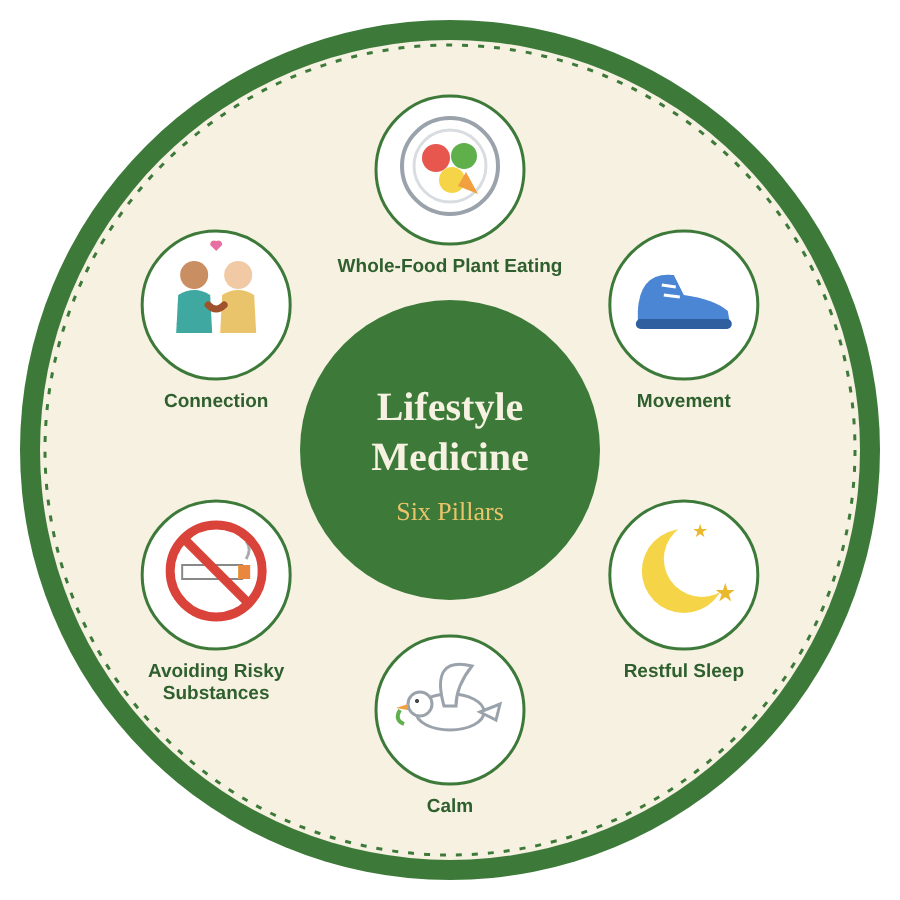
Lifestyle medicine is one of the most hopeful changes I’ve seen in health care. Instead of only treating symptoms, doctors help people change the daily habits behind many chronic illnesses. The American College of Lifestyle Medicine names six pillars: whole-food, plant-predominant eating; physical activity; restful sleep; managing stress; avoiding risky substances; and positive social connection.
It’s happening close to home, too. Saint Francis Health System in Tulsa says it was the first health system in Oklahoma to launch a lifestyle medicine program. Its eight-week program includes teaching-kitchen sessions with a chef and a dietitian, group stress management, and time with an exercise physiologist. In north Tulsa, FreshRx Oklahoma gives people living with diabetes free, locally grown produce along with cooking and nutrition classes.
Programs like these do a lot of good, and people take part while living their usual busy lives. Many people also need a place to step away for a while and practice new habits all day long. That’s what live-in lifestyle centers have offered for decades: guests stay a week or more, eat plant-based meals, walk, rest, learn to cook, and go home with habits they’ve already lived. I believe the Living Springs Log House could become that kind of place for the Ozarks.
Why This Matters to Me
I know what immersion can do, because I’ve lived it. In 1980, when I was 26, I stayed at the Hippocrates Health Institute for three weeks. I ate raw food, drank wheatgrass juice, and worked through a self-taught program on cassette tape, of all things, about discovering my values. I was surrounded by a beautiful setting and wonderful people. I came out of those three weeks so cleansed and clear that I went on to build a music career that lasted the next eight years, and I made my living at it. That’s why lifestyle medicine inspires me so much. A few weeks set apart, with good food, rest and the right people around you, can change the direction of a life. I’d love to see this place become that for others, and if you’re the one to make it happen, maybe we’ll even be neighbors.
Food: A Teaching Kitchen With a Garden Outside the Door
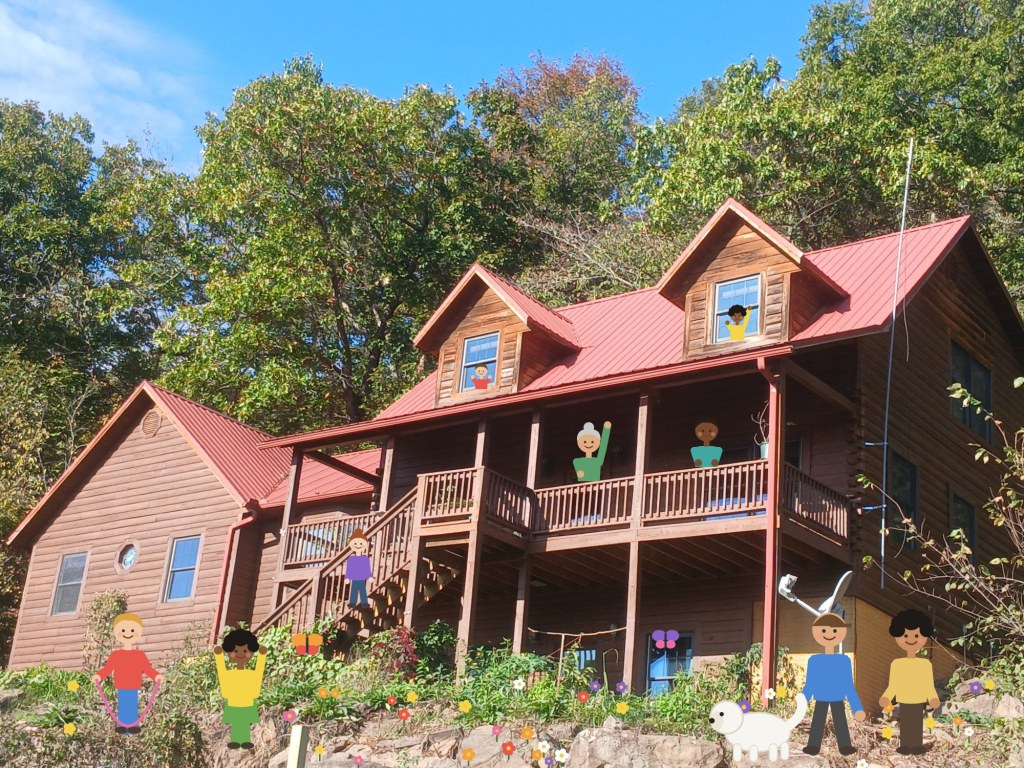
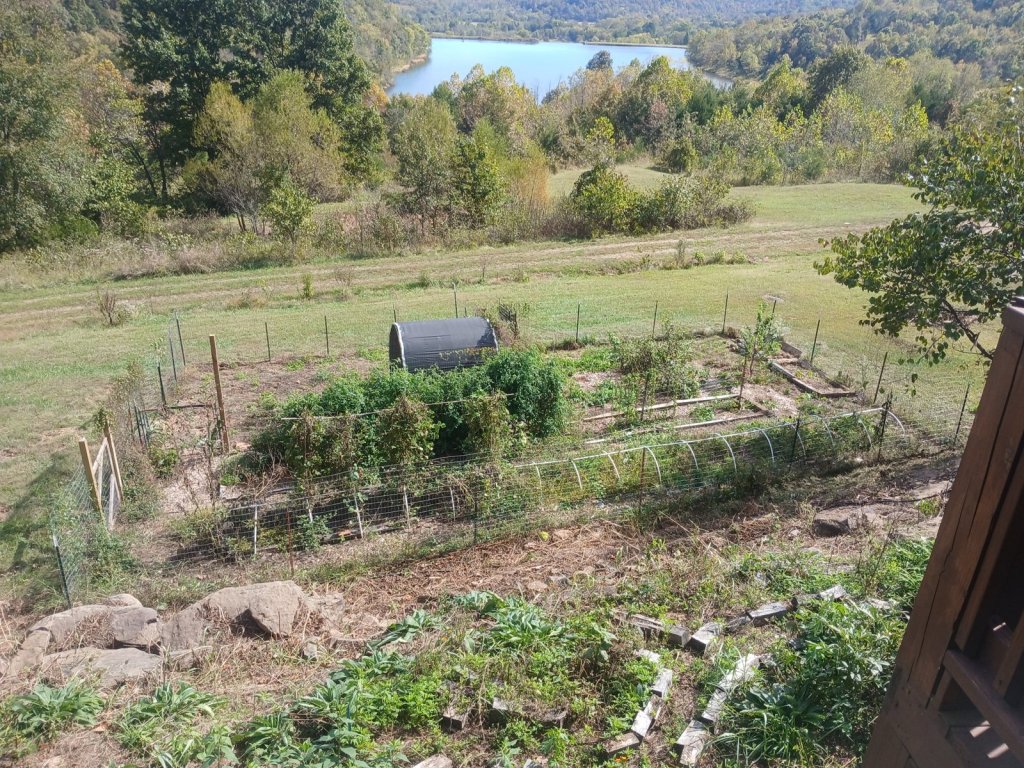
The heart of lifestyle medicine is the plate. Here, organic gardens are already established, so a new owner won’t start from bare dirt. Wild greens come up on their own every spring. Guests could pick their lunch, then learn to cook it in the main kitchen. The walk-out basement already has rough hookups for a kitchen, so a second, smaller teaching kitchen could be added there.
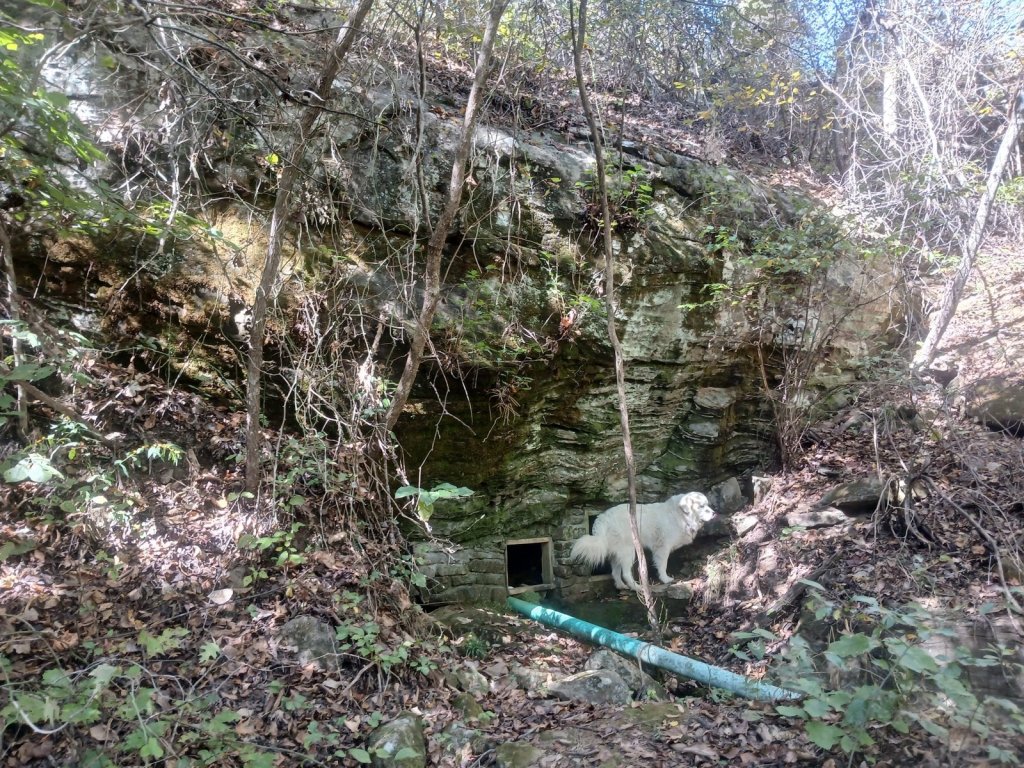
The water comes from a cave spring above the house. In the nine years I’ve lived here, the spring has kept the cisterns full enough for our use, except when I forgot to turn off the hose or when technical difficulties arose.
Movement: Paths, Hills and Garden Work
A walking path circles the 14¾ acres and runs through the middle, through forest and open land. Guests can walk a quiet loop any time of day. The hills give a gentle workout, and garden work is exercise that doesn’t feel like exercise. When it rains, the 40-by-60-foot insulated metal building has room for movement classes, stretching or yoga, and its ceilings peak at 17 feet.
Rest: Quiet Country Nights
Restful sleep is hard to come by in town. Here, the nights are dark and quiet, and you wake to birdsong. Inside, the house would need some help with sound before it hosted many guests. The main floor is open, and sound carries the way it does in most family homes. Rugs, heavier curtains, door sweeps, and insulation added behind the walls of the sleeping rooms would go a long way. The good news is that the house already has separate areas: the basement suite has its own entrance and its own heating and cooling, the upper floor could have its own door, and the metal building sits apart from the house. (Read our soundproofing guide here.)
Room for Guests and Staff
The bedrooms here are unusually spacious, so they could become dormitory-style rooms for retreat groups. The two upstairs bedrooms are oversized, each with two large walk-in closets, a shared bathroom between them, and a lovely view of the lake. On the main floor, the primary bedroom is very large and has its own bathroom. The smaller main-floor bedroom, which also has its own bathroom, could become an office and co-working room for staff, a quiet place to answer emails or do a little work online while the rest of the house stays restful.
Calm: The Spring, the Deck and the View
Some of the best stress medicine here costs nothing. There’s the walk up to the cave spring with India, my Great Pyrenees. There’s the deck looking out over the lake and the valley, and the swallows nesting underneath the deck, right above the basement suite’s patio. A retreat could offer quiet morning walks, time for prayer or reflection, and simple breathing practices outdoors.
Healing Rooms in the Metal Building
The metal building could hold much more than classes. It already has 240-volt service, a bathroom with a drain roughed in for a shower, a wood stove, a utility sink and electric stove, and its own septic tank. With insulated, soundproofed walls, one side could be divided into several small rooms: massage, counseling, health coaching, or a few extra guest rooms. The rest could stay open as a classroom and dining hall. The two-car garage could become two quiet practitioner rooms as well. The building already has running water, which reaches it through a gravity-fed hose from the cistern. Its pump does need to be fixed or replaced.
Avoiding Risky Substances, and Finding Each Other
Being far from town helps people set aside alcohol, tobacco, and the other habits that pull them off course. And healing happens in community. Shared meals, cooking together, and evening circles in the metal building would let guests support each other, and many leave with friends who keep them going at home.
What a Founder Would Still Need
This isn’t a finished retreat center yet. A founder would want to soundproof the sleeping rooms, build out healing rooms in the metal building, find the right insurance, have the septic systems checked for the number of guests planned, and fix the pump in the metal building. The harder parts are already here: the water, the gardens, the walking paths, the separate living spaces, and the quiet.
One thing to know: right now there is roadwork going on near the property, and it could last into spring. That makes this a good season to get everything ready, from soundproofing to building out the healing rooms, so the retreat can welcome guests once the work is done.
I can picture a lifestyle medicine doctor, a health system, a plant-based chef, or a faith-based health ministry bringing people here for a week or two of real change. If that’s you, or someone you know, I’d be glad to hear from you. You can see more of the property at www.livingspringsloghouse.com.
The Living Springs Log House Is for Sale
Offered at $475,000 for 14.75 acres near Huntsville, Arkansas. Listed with Lori Hawkins of Viridian Real Estate. See the Zillow listing. To ask questions or arrange a visit, text Patricia at (479) 313-0414. Calls are welcome too.
A Few Insights
- Clinic programs teach new habits. A live-in retreat lets people practice them all day, which is when habits start to stick.
- Most of what a lifestyle medicine retreat needs (garden, water, walking paths, separate spaces) is expensive to build and is already here.
- The soundproofing and the metal building rooms are the main projects, and both can be done one step at a time.
Related articles
- Why I Think the Living Springs Log House Could Become a Healing Center
- Imagining Vegan Sober Living at the Living Springs Log House
- The Cave Spring: Where the Water Comes From
How We Wrote This Together
This article was written by Patricia Mikkelson, a resident of the Living Springs Log House, together with Claude.ai, an AI assistant made by Anthropic. Patricia brought the idea of a lifestyle medicine retreat, her own story from Hippocrates, her knowledge of the house and land, and the Tulsa programs she wanted to highlight. Claude helped research lifestyle medicine and helped write and organize the article.
This article shares ideas for a possible retreat. It isn’t medical advice.
Credit: Writing and research support for this article was provided by Claude.ai, an AI assistant made by Anthropic.


[…] A lifestyle medicine retreat […]
LikeLike
[…] A Place to Practice Health: The Living Springs Log House as a Lifestyle Medicine Retreat […]
LikeLike
[…] A retreat center. The house could hold several guest rooms, and the metal building a dining hall or classroom. Why it could become a retreat center and a lifestyle medicine retreat. […]
LikeLike