By Patricia Mikkelson, a resident of the Living Springs Log House
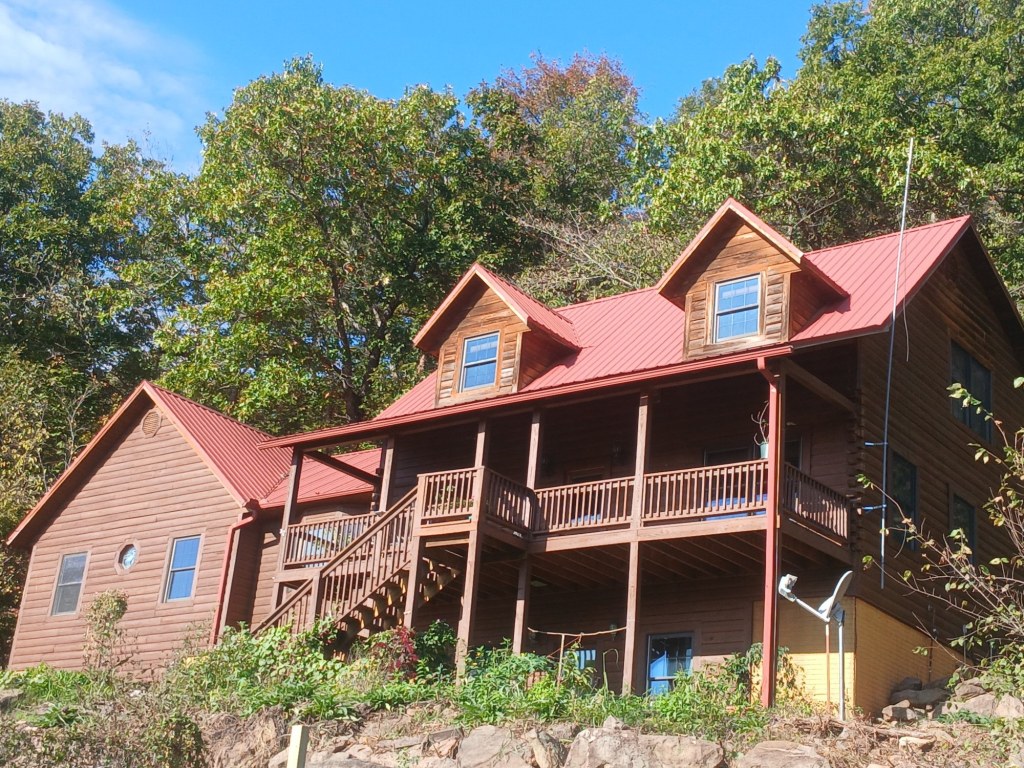
Recovery is a road, not a single step. Many people find that the hardest part comes after treatment, when they go back to everyday life and the old pressures are waiting. That’s why sober living homes matter so much. They give people a safe, alcohol- and drug-free place to live, with structure, house rules, and the support of others walking the same road.
I believe the Living Springs Log House could become one of those places: a quiet, peaceful home where people in recovery can grow strong, one day at a time.
Why This Land Fits
The Living Springs Log House sits on 14¾ acres outside Huntsville, Arkansas, about 25 minutes from town. That distance is part of the gift. There’s no bar on the corner and no old crowd down the street. What’s here instead is quiet, fresh air, and room to breathe.
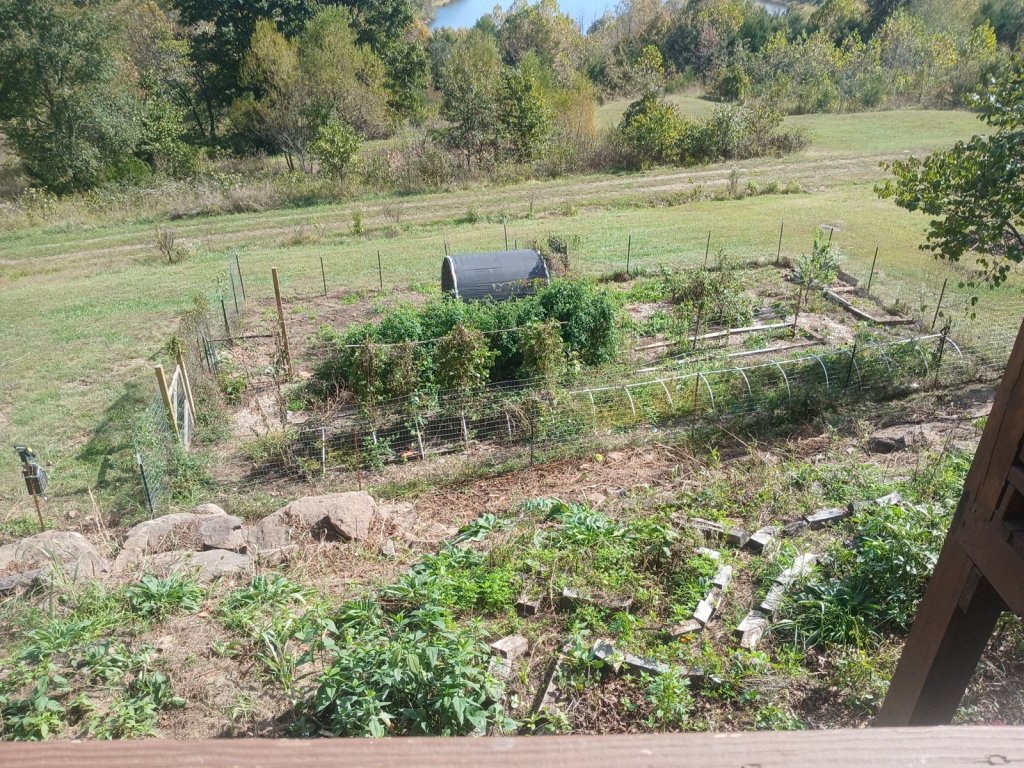
The days here have a natural rhythm. There are established gardens to tend. There’s a cave spring that has kept our cisterns full enough for everyday use since 2017, except when someone left a hose running or when technical difficulties came up.
I love to take a long walk around the property with my Great Pyrenees, India. The path winds through the forest, and it’s beautiful and peaceful. I’ve come home from that walk a different person more times than I can count. A walk like this could become part of each resident’s day.
A Home That’s Already Set Up for Shared Living
So much of what a sober living home usually has to build from scratch is already here:
- A place for a house manager. The walk-out basement suite has its own entrance and its own heating and cooling. A live-in house manager could be close by without living on top of the residents.
- Bedrooms suited to shared living. The house has a primary bedroom, a smaller bedroom, and two large upstairs bedrooms, each with two walk-in closets, connected by a shared bathroom. With some changes, the house could support up to seven private rooms.
- A building for meetings and work. The 40-by-60-foot insulated metal building has 240-volt electric service, a bathroom, a wood stove, and its own septic tank. It could become a meeting room, a workshop, or a place for shared meals.
- Real, physical work. The gardens are already established. Hands in the soil and the satisfaction of a day’s work can be a steady part of healing.
What Daily Life Might Look Like
A peaceful walk through the forest. Work in the gardens. Cooking a shared meal. A house meeting in the evening. Residents would keep attending outside recovery meetings and working with their own counselors and support. The home wouldn’t replace treatment, but it could be a steady place to live while healing.
This land could also be a good fit for a women’s sober living home, a peaceful place where women can support each other and rebuild their lives together.
Built for the Country Model
Many sober living homes are in town, close to buses, jobs, and meetings. This isn’t that kind of property. We’re about 25 minutes from groceries and an hour from the Northwest Arkansas metro area, down a private gravel driveway. Residents would need rides or a house vehicle to get to outside meetings and appointments.
But some well-respected recovery programs are ranch and farm programs that treat distance, quiet, and physical work as part of the healing. If that’s the model you’re building, this land could be a strength rather than a compromise.
What Sober Living Requires
Recovery homes in the United States generally follow standards set by the National Alliance for Recovery Residences (NARR). Many new homes start as a monitored home with a house manager on site. In Arkansas, the Arkansas Alliance of Recovery Residences certifies homes, and certification helps with referrals and trust.
Getting started usually means forming a business or nonprofit, writing a resident handbook with clear house rules, and adding safety upgrades like smoke alarms and good locks.
Something New Waiting to Happen
This isn’t built yet. It’s an idea looking for the right people: someone with experience running a recovery residence, or an organization looking for a peaceful country home for the people it serves. There’s no program here yet. But the land is waiting. A place to live is already here. The gardens are already here. The spring is already here.
For those who share a love of plant-based living, I’ve also written about a vegan version of this idea.
A Few Insights
- Quiet and distance can be a strength in recovery, not a drawback.
- The separate basement entrance meets one of the first practical needs of a monitored home: a house manager who can be close by without living on top of residents.
- Daily rhythms like gardening, walks, and shared meals give structure to the day, which is a big part of what makes sober living work.
The Living Springs Log House Is for Sale
Offered at $475,000 for 14.75 acres near Huntsville, Arkansas. Listed with Lori Hawkins of Viridian Real Estate. See the Zillow listing. To ask questions or arrange a visit, text Patricia at (479) 313-0414. Calls are welcome too.
How We Wrote This Together
This article was written by Patricia Mikkelson, a resident of the Living Springs Log House, together with Claude.ai, an AI assistant made by Anthropic. Patricia brought the idea for this article, her knowledge of the land and its daily rhythms, and her years of experience in how people live together well. Barbara’s outreach to sober living homes inspired this plain version. Claude helped research how recovery housing works and helped write the article.
To see more of the land, the spring, and the gardens, visit www.livingspringsloghouse.com. Lori Hawkins is the listing agent.
Credit: Writing and research support for this article was provided by Claude.ai, an AI assistant made by Anthropic.


[…] A Quiet Place to Heal: Sober Living at the Living Springs Log House […]
LikeLike
[…] Sober living. Similar to co-living, but with a different purpose: a quiet, structured home for people in recovery. A Quiet Place to Heal. […]
LikeLike