In short: Comfrey is one of the hardest-working plants in the gardens at the Living Springs Log House. It comes back thicker every spring, its leaves feed the soil as mulch, compost, and a plant-based fertilizer “tea,” and its bell-shaped flowers are a favorite of the bees. Here’s why I love it and how to use it.
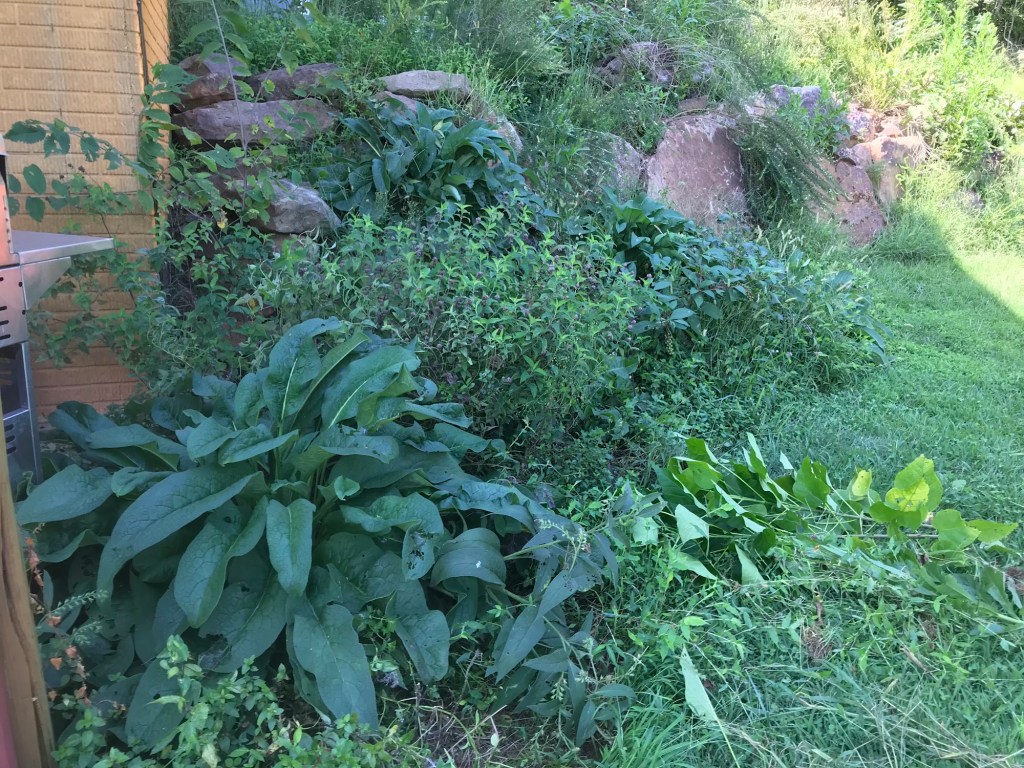
Some plants you have to coax along year after year. Comfrey is not one of them. I planted it once at the Living Springs Log House, and I have never had to plant it again. Every spring it comes back thicker than the year before, big fuzzy leaves unfolding from the ground as if it had simply been waiting for the weather to turn. Of all the plants in these gardens, comfrey may be the one that gives the most and asks the least.
Meet Comfrey
Comfrey (Symphytum) is a tough, leafy perennial in the borage family. It grows in a big clump of broad, hairy leaves, sometimes two to three feet tall, and sends up arching stems of small bell-shaped flowers in shades of purple, pink, blue, or cream. Old names for it, like “knitbone” and “boneset,” tell you how long people have valued it. Gardeners today love it for a different reason: it may be one of the best soil-builders you can grow.
Deep Roots That Reach Down Deep
Comfrey sends a thick taproot deep into the ground, much deeper than most garden plants reach. In permaculture, it’s often called a “dynamic accumulator,” a plant that draws nutrients up from the subsoil and stores them in its leaves. When those leaves fall or are cut and laid on the ground, the nutrients become available to the shallow-rooted plants around them. The science on exactly how much comfrey “mines” from below is still debated, but its leaves are measurably rich in potassium and nitrogen, and gardeners have relied on it for generations.
Those deep roots also make comfrey remarkably drought-tolerant. Once it’s established, it rarely needs watering here, even in a dry Ozark summer.
Feeding the Soil, Without Animal Products
This is where comfrey really shines for a vegan gardener. Its leaves can do much of the work that manure does in other gardens, with no animals involved. Here are a few ways to use it:
- Chop and drop. Cut the leaves and lay them right on the soil around your plants as mulch. They break down quickly and feed the ground beneath them. Comfrey can be cut back several times in one growing season and grows right back.
- Compost booster. A layer of comfrey leaves helps heat up and speed along a compost pile.
- Planting-hole helper. A few chopped leaves tucked into the bottom of a planting hole give tomatoes, peppers, and other hungry plants a good start.
- Comfrey “tea.” Pack a bucket with leaves, cover them with water, put a lid on, and let it steep for several weeks. The dark liquid that results is a rich, plant-based fertilizer. Dilute it (many gardeners use about one part tea to ten parts water) and pour it around your plants. Be warned: it smells terrible! But the plants love it.
A Gift to the Bees
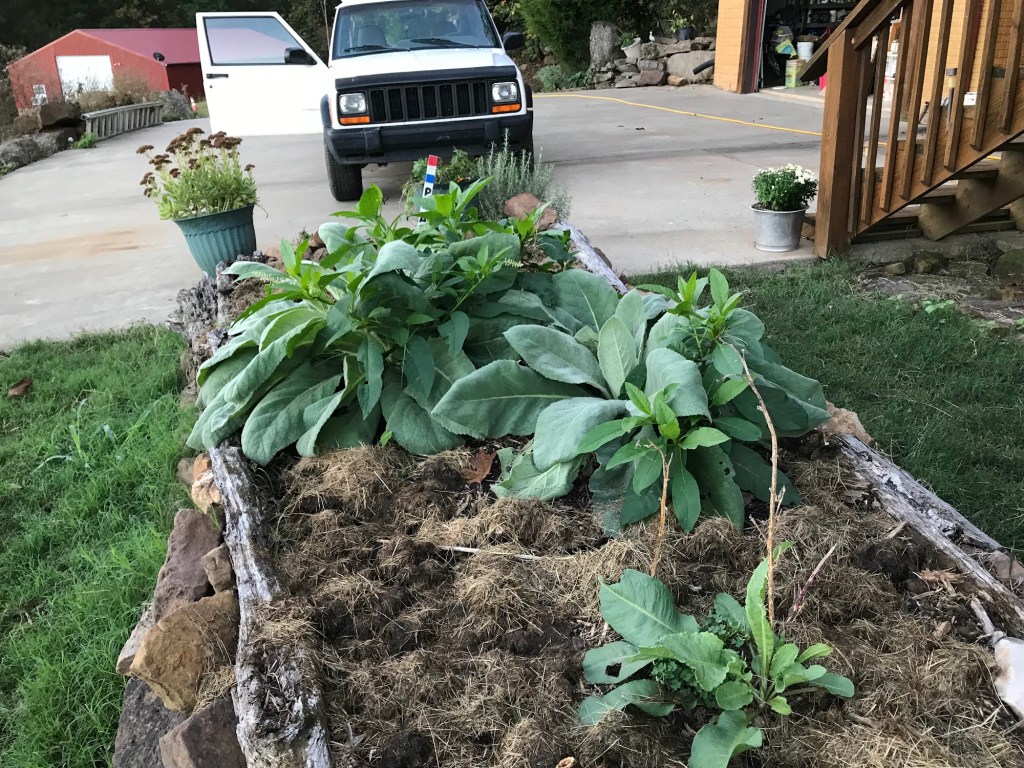
When comfrey blooms, the bees find it. Its nodding, bell-shaped flowers are especially loved by bumblebees, who can reach the nectar inside. On a warm day you can stand near a comfrey patch and hear it hum. In a world where pollinators are losing so much habitat, a plant that feeds them this generously is worth its weight in gold.
Planting Comfrey: Choose the Spot Carefully
Comfrey’s greatest strength is also something to plan for: it is very hard to get rid of. Even a small piece of root left in the ground can grow into a new plant. So before you plant it, choose a spot where you’ll be happy to have it for many years, like the edge of a garden, near the compost pile, or along a fence. Many gardeners grow a variety called ‘Bocking 14,’ a Russian comfrey that doesn’t spread by seed, which helps keep it where you put it.
Comfrey is easy to start from a root cutting or a small division from a friend’s plant. It does well in sun or part shade and isn’t fussy about soil.
Comfrey as a Folk Remedy
Comfrey has a long history as a folk remedy, especially as a poultice or salve on the skin for bruises and sprains, which is where the old name “knitbone” comes from. The FDA has been notorious for discouraging natural remedies, and I don’t trust them. The comfrey “tea” in this article is a fertilizer for plants.
Comfrey at the Living Springs Log House
Comfrey is one of the healers in the gardens around the log house, alongside bee balm, yarrow, echinacea, mint, oregano, and mullein. It holds its own ground against the Bermuda grass, feeds the soil, and feeds the bees. Whoever lives here next will inherit a comfrey patch that is already well established and asks almost nothing in return. Just cut it back now and then, lay the leaves where they’re needed, and enjoy the bees.
Read more about the gardens: The Spectacular Permaculture, Wild Edible, Pollinator, Native Gardens, Medicinal and Other Plants Come Up Every Year, and The Garden That Grew From a Trench.
Sources
- Comfrey in the Garden – Utah State University Extension
- How to Grow Comfrey in the Garden – Gardener’s Path
- Turn Your Comfrey Leaves Into a Fertiliser ‘Tea’ – Horticulture
This article was written collaboratively by Patricia and Claude, an AI assistant made by Anthropic. Patricia shared her experience with comfrey in the gardens at the Living Springs Log House, and Claude researched its uses.


[…] Read more about the gardens: The Garden That Grew From a Trench, The Spectacular Permaculture, Wild Edible, Pollinator, Native Gardens, and Comfrey: The Plant I Planted Once and Never Had to Plant Again. […]
LikeLike
[…] more: Comfrey: The Plant I Planted Once and Never Had to Plant Again, Hugelkultur: Building Garden Beds From Logs, Leaves, and Time, Caring for a Steep Hillside Behind […]
LikeLike
[…] Wild Edible, Pollinator, Native Gardens, Medicinal and Other Plants Come Up Every Year, Comfrey: The Plant I Planted Once, and From Rock Pile to Rock […]
LikeLike
[…] Comfrey: The Plant I Planted Once and Never Had to Plant Again […]
LikeLike
[…] Comfrey: The Plant I Planted Once and Never Had to Plant Again […]
LikeLike