By Patricia Mikkelson and Claude
Some of the most useful plants on this land are the ones most people walk right past. Plantain, dock, and comfrey grow here in abundance. I’ve been dreaming of a small plant nursery here, where people could take home these hardy, generous plants, and of making simple healing salves from them. Perhaps this is a cottage industry you would like to try?
The plants
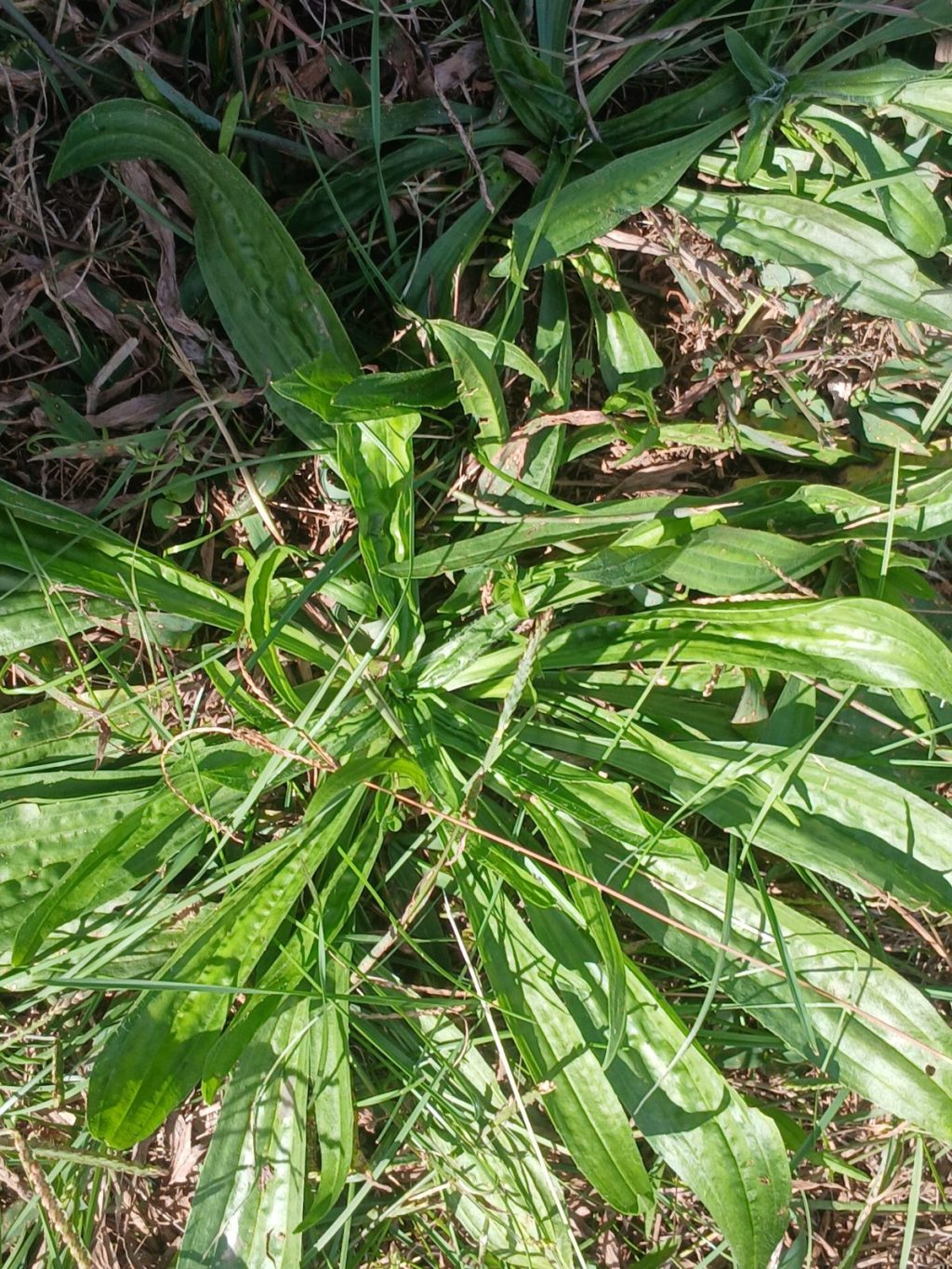
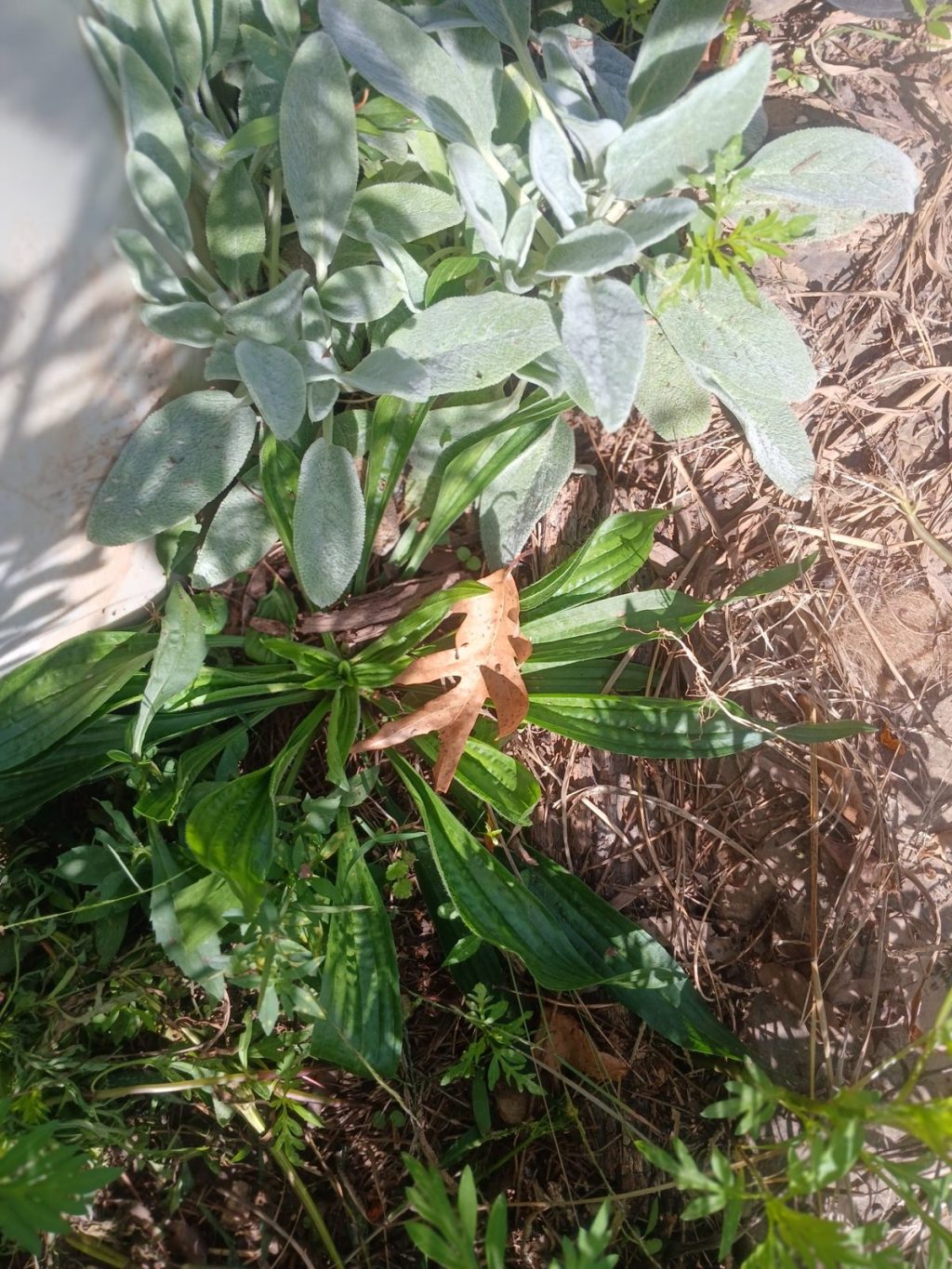
- Plantain. Not the banana kind. This is the low, broad-leaved plant that grows in lawns and along paths, and there is a lot of it here. People have long used the fresh leaves on bites, stings and scrapes, and its leaves are good in salves.
- Dock. A tall plant with long leaves and a deep taproot. The young leaves are an early spring green, and the roots break up hard soil.
- Comfrey. Plant it once and it’s there for good. Its big leaves feed the compost, make a rich mulch and are a favorite for salves for bumps and bruises.
Why these plants make a good nursery
All three are tough, come back every year, and spread easily, so there’s always more to share.
- Plantain and dock grow easily from seed. Let a few plants go to seed, gather the seed, and sow it in pots or trays. You can transplant as well.
- Comfrey grows from root pieces. Dig a little piece of root, plant it in a pot, and it will sprout. A single plant can give dozens of new plants.
- Dock has long taproots, so start them in deep pots and move them while they’re young. You can also grow it from the root.
If the nursery ever sells plants, check with the Arkansas State Plant Board first (501-225-1598). Some kinds of plants need a license to sell and some don’t, and the Board makes the final call.
Making a simple vegan salve
Most salve recipes use beeswax. A vegan salve uses a plant wax instead, like candelilla wax.
Step 1: Make the infused oil.
- Pick plantain or comfrey leaves on a dry day and let them wilt or dry for a day or two, so they don’t bring water into the oil.
- Chop them and fill a clean jar about halfway.
- Cover them with olive oil, with at least an inch of oil above the leaves.
- Cover the jar with a cloth and let it sit in a warm spot for four to six weeks, shaking it now and then. For a faster way, warm the jar gently in a pan of hot water for a few hours. Never let it boil.
- Strain out the leaves through a cloth, and squeeze out the oil.
Step 2: Turn the oil into salve.
- Gently warm 1 cup of the infused oil with about 1/2 ounce of candelilla wax until the wax melts. Candelilla is harder than beeswax, so you need less.
- Put a drop on a cold spoon to test it. If it’s too soft, add a little more wax. If it’s too hard, add a little more oil.
- Pour it into small tins or jars and let it cool.
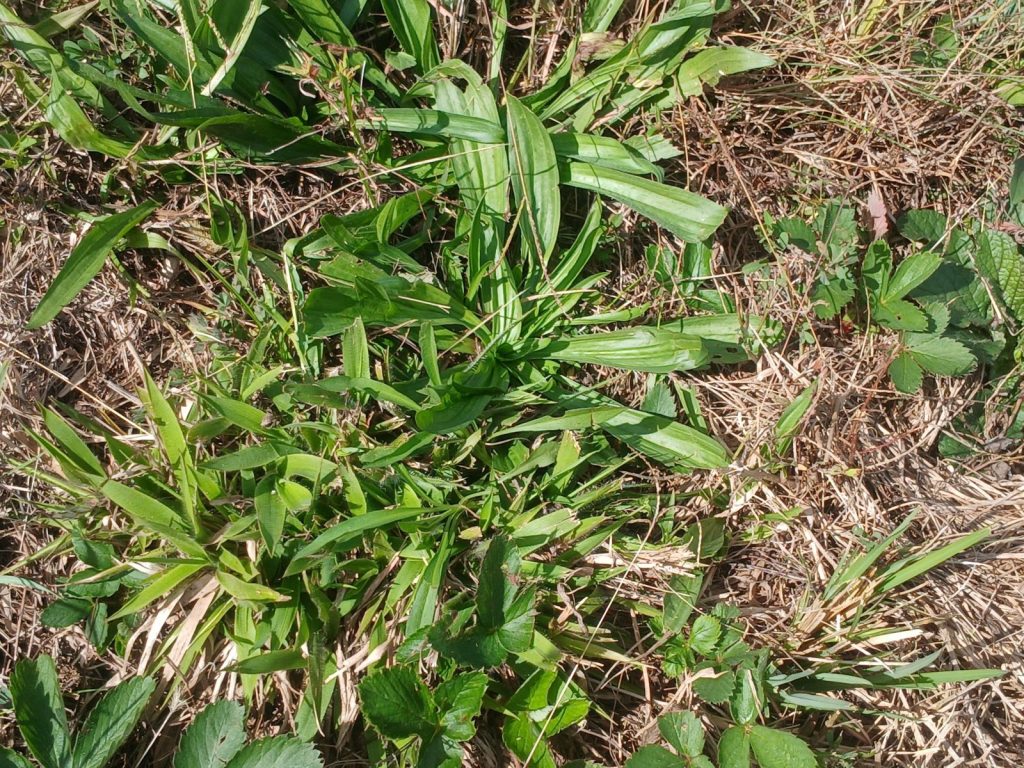
There are so many other wild edibles and plants that could be sold as tubers or seed via mail order on this land, including Jerusalem artichokes, lamb’s quarters, cosmos, morning glories, and more! Be creative, do some research, and whatever you do–keep cultivating wild edibles for eating and medicinal purposes.
How we wrote this together
This article was written by Patricia Mikkelson with Claude, an AI assistant made by Anthropic. Patricia shared her plants and her dream, and Claude researched the growing and salve-making steps.


[…] It’s one more way this land could support the people living on it. You can read more in A Little Plant Nursery and Homemade Salves and The Healing and Edible Plants of Living […]
LikeLike
[…] An Idea for a Plant Nursery and Homemade Salves […]
LikeLike