By Patricia Mikkelson and Claude
Some of the most useful plants on this land are the ones most people walk right past. Over nine years of building up the soil, I’ve watched comfrey, plantain, dock, wintercress and dozens of other healing and edible plants settle in and come back every year. This article gathers them all in one place: what grows here, how to grow more, how to keep the harvest through winter, and my dream of a little plant nursery.
What grows here
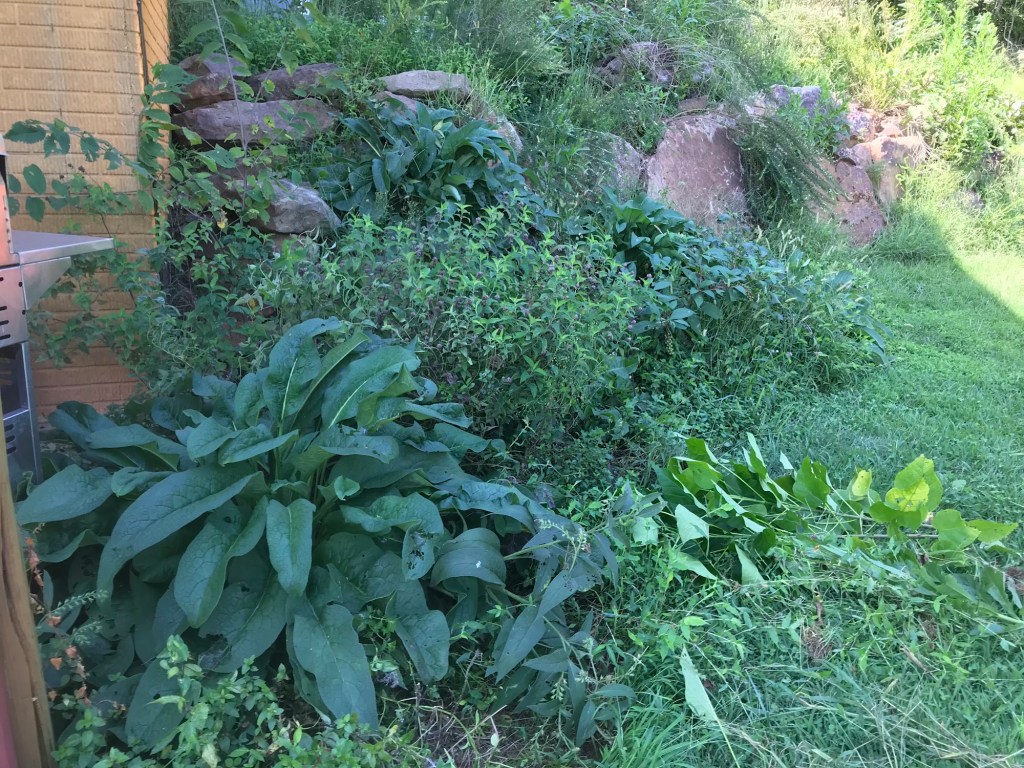
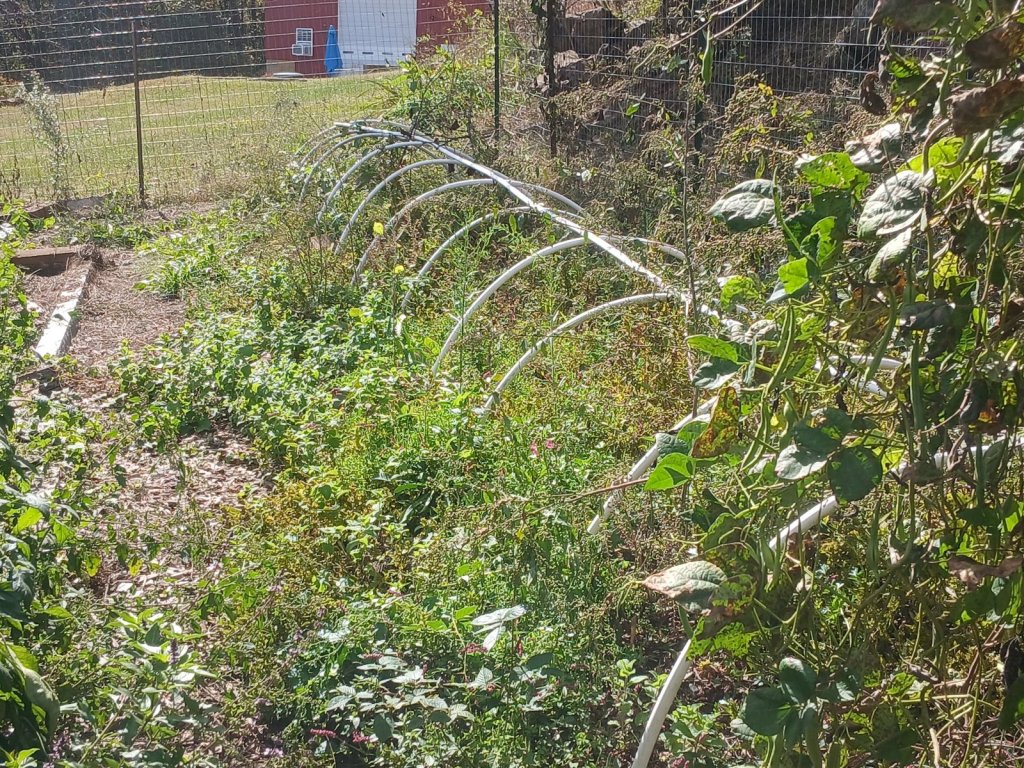
Here are most of the plants growing in the gardens and wild spaces around the log house. Some come up from bulbs, some from roots, and many reseed themselves. Among them are medicinal plants, flowers, pollinator plants, natives, edible roots and fruit.
Comfrey, plantain, yellow dock, wintercress, dandelion, chickweed, dead nettle, purslane, lamb’s quarters, violets, wild garlic, red clover, yarrow, echinacea, bee balm, lemon balm, peppermint, apple mint, oregano, sage, cilantro, shiso, mullein, St. John’s wort, milk thistle, milkweed, tansy, lamb’s ear, Solomon’s seal, Jerusalem artichokes, cow peas, sweet peas, passion fruit, wild blackberries, black caps (wild raspberries), cosmos, zinnias, marigolds, black-eyed Susans, morning glories, four o’clocks, daylilies, Asian lilies, naked lady lilies, iris, gladiolas, daffodils, obedient plants, sedum, hostas, ferns and butterfly bush.
I’m still identifying more, and I keep remembering plants I forgot!
Comfrey: planted once, here for good
Some plants you have to coax along year after year. Comfrey is not one of them. I planted it once, and I have never had to plant it again. Every spring it comes back thicker than the year before.
Comfrey is a tough, leafy perennial with big fuzzy leaves and arching stems of bell-shaped flowers that the bumblebees love. Its deep taproot makes it drought-tolerant, and its leaves are rich in potassium and nitrogen. For a vegan gardener, it does much of the work that manure does in other gardens, with no animals involved:
- Chop and drop. Cut the leaves and lay them on the soil around your plants as mulch. Comfrey can be cut back several times a season and grows right back.
- Compost booster. A layer of comfrey leaves helps heat up a compost pile.
- Planting-hole helper. A few chopped leaves in the bottom of a planting hole give tomatoes and peppers a good start.
- Comfrey tea for plants. Pack a bucket with leaves, cover them with water, put on a lid and let it steep for several weeks. Dilute it, about one part tea to ten parts water, and pour it around your plants. It smells terrible, but the plants love it.
Choose comfrey’s spot carefully. Even a small piece of root left in the ground grows a new plant, so plant it where you’ll be happy to have it for years, like the edge of a garden or near the compost pile.
Plantain, dock and chicory
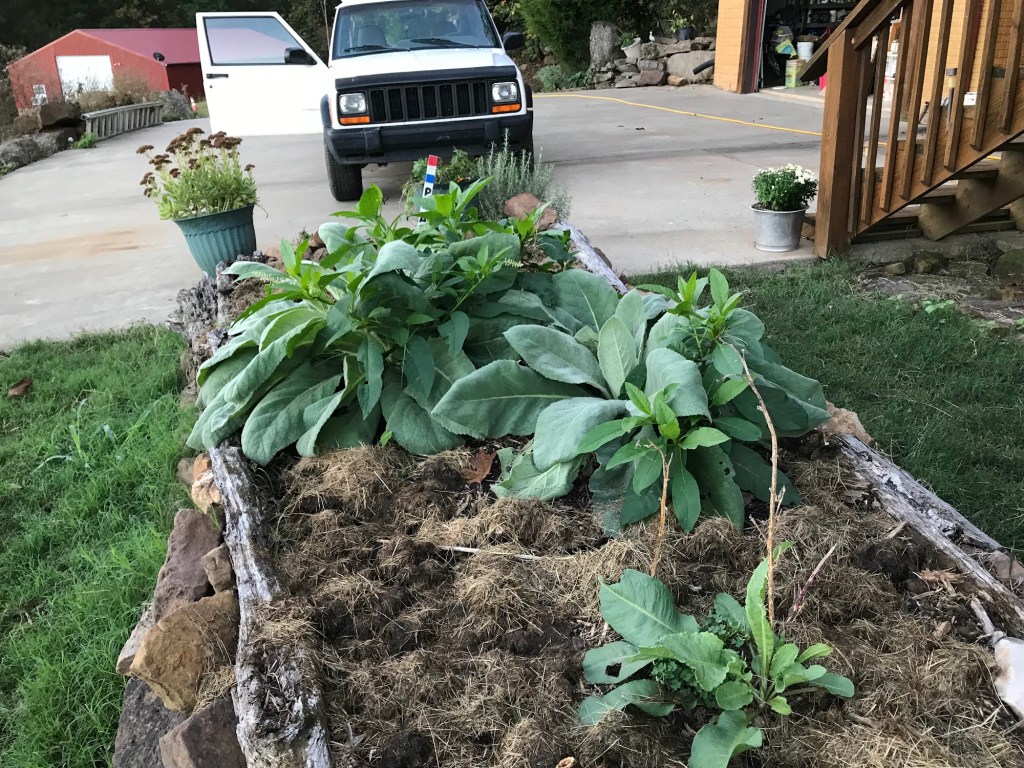
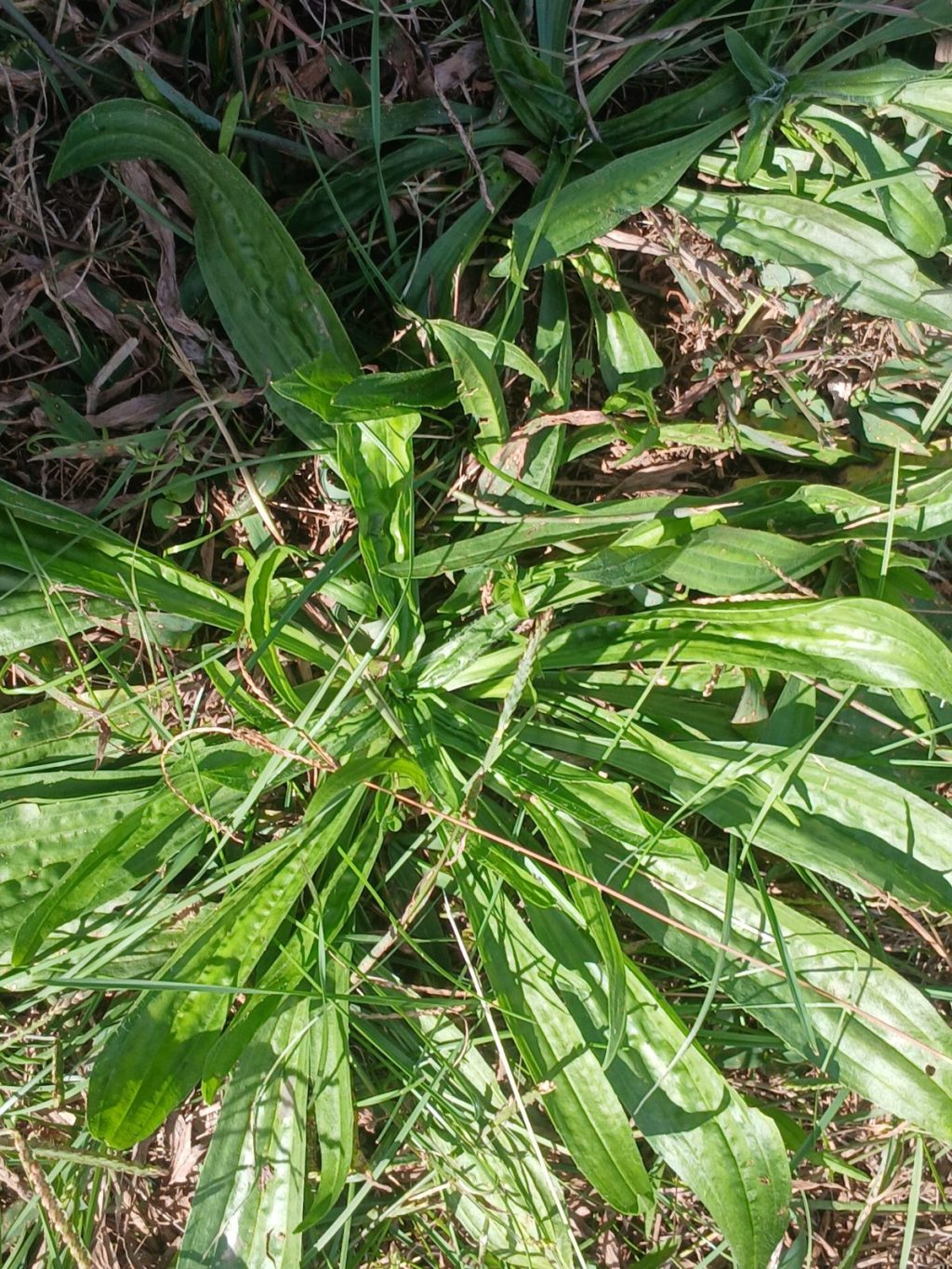
- Plantain. Not the banana kind. This is the low plant with ribbed leaves that grows in lawns and along paths, and it is super abundant here. People have long used the fresh leaves on bites, stings and scrapes, and its leaves are good in salves.
- Dock. A tall plant with long leaves and a deep taproot. The young leaves are an early spring green, and the roots break up hard soil. Dock is sour because of oxalic acid, so eat it in moderation and cook the older leaves.
- Chicory. The plant with sky-blue flowers along the roadsides. The young leaves are a bitter green, and the roasted root has long been used as a coffee substitute.
Wintercress: a green for the cold months
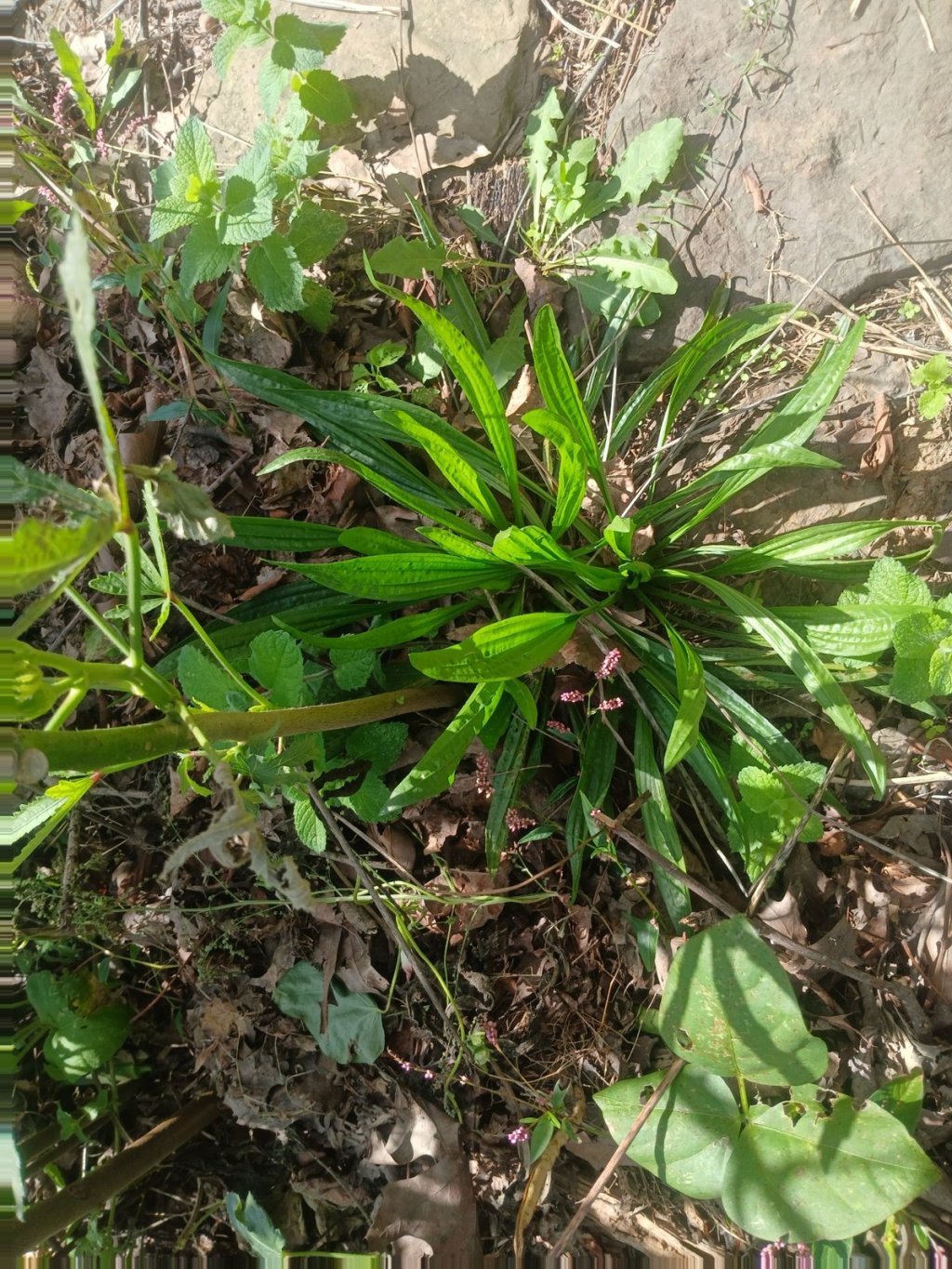
Wintercress already grows wild on this land, and I want much more of it. Also called yellow rocket, it’s in the mustard family. In its first year it makes a low rosette of shiny, dark green leaves that stays green all winter, even under snow. In its second spring it sends up bright yellow flowers, then drops its seed. The leaves taste sharp, like a strong mustard green, and are mildest in the coldest months.
To grow much more of it:
- Let some plants go to seed. When the long, thin seedpods dry and turn tan, cut the stalks.
- Shake the dry stalks over a paper bag to collect the tiny seeds.
- Sow from late August through October, pressing the seed lightly into moist, rich soil in sun or part shade.
- Move only small plants, since wintercress grows a stout taproot.
- Pick the outer leaves often, and the plant keeps making more.
Mix a few young leaves into salads, or cook them like mustard greens.
Longevity spinach: four years and counting
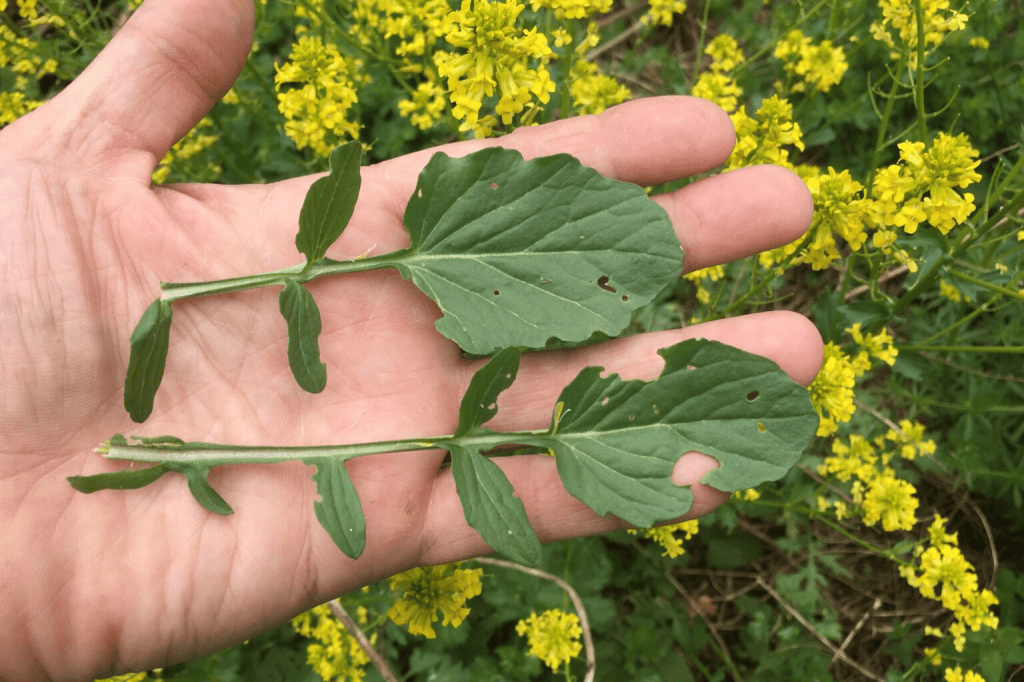
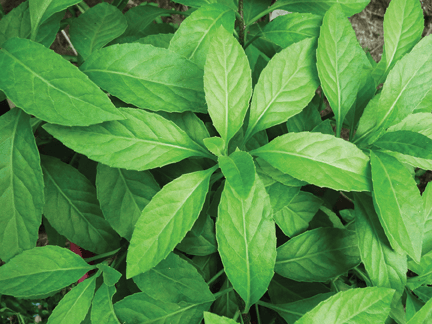
About four years ago, I bought a longevity spinach plant, and I still have it. It isn’t true spinach. It’s a tropical plant from Southeast Asia, a soft, leafy vine with glossy green leaves. It can’t take our Ozark winters, so every fall it comes inside, and every spring, once it’s warm, it goes back out.
- Bring it in before the first frost, and keep it near a sunny window.
- Water less in winter, and don’t worry if it slows down.
- Put it back out when nights are warm, in partial shade, and pick the leaves often to keep it bushy.
It’s one of the easiest plants to multiply. Cut a piece of stem with two or three leaves, push it into moist potting soil or set it in a glass of water, and within a few weeks it roots. The mild, tender leaves are good raw in salads or cooked in soups.
A little plant nursery
I’ve been dreaming of a small plant nursery here, where people could take home these hardy, generous plants. They are tough, come back every year and spread easily, so there’s always more to share.
- Plantain, dock, chicory and wintercress grow easily from seed. Let a few plants go to seed, gather it, and sow it in pots or trays.
- Comfrey grows from root pieces. One plant can give dozens of new plants.
- Longevity spinach grows from cuttings.
- Dock and chicory have long taproots, so start them in deep pots and move them young.
If the nursery ever sells plants, check with the Arkansas State Plant Board first (501-225-1598). Some plants need a license to sell and some don’t.
Making a simple vegan salve
Most salve recipes use beeswax. A vegan salve uses a plant wax instead, like candelilla wax.
First, make the infused oil:
- Pick plantain or comfrey leaves on a dry day and let them wilt for a day or two, so they don’t bring water into the oil.
- Chop them, fill a clean jar about halfway, and cover them with olive oil, with at least an inch of oil above the leaves.
- Let it sit in a warm spot for four to six weeks, shaking it now and then. Or warm the jar gently in a pan of hot water for a few hours, never letting it boil.
- Strain out the leaves through a cloth.
Then make the salve:
- Gently warm 1 cup of the infused oil with about 1/2 ounce of candelilla wax until the wax melts.
- Test a drop on a cold spoon. Add more wax if it’s too soft, or more oil if it’s too hard.
- Pour it into small tins or jars and let it cool.
Keeping greens through the winter
When the garden is full of greens, there’s always more than we can eat fresh. Here are simple ways to keep them, with no canning and no heat.
Quick refrigerator pickles: Chop sturdy greens like dock, wintercress, kale, collards or chard stems and pack them into a clean jar with two or three sliced garlic cloves. Mix 1 cup organic vinegar, 1 cup water and 1 teaspoon salt, pour it over the greens, and keep the jar in the refrigerator. They’re ready in a day or two and keep about a month. They must stay cold.
Fermented greens: Pack chopped greens and garlic tightly into a jar. Mix 1 tablespoon sea salt into 2 cups water, pour it over, and keep the greens pushed under the brine. Leave it on the counter, out of the sun, for 3 to 7 days, tasting each day, then move it to the refrigerator. If you see fuzzy mold or it smells bad, throw it out.
Freezing: Wash and chop the greens, pack them into bags with the air pressed out, and freeze them for soups and stews.
Some greens keep growing through the cold or come back in the first warm days: wintercress, dock, kale and collards (sweeter after a frost), chickweed, henbit, dandelion, and fall-planted spinach and mustard greens with a little cover.
A few notes
- Comfrey has a long history as a folk remedy, especially as a salve on the skin for bumps, bruises and sprains, which is where its old name “knitbone” comes from. The FDA has been notorious for discouraging natural remedies, and I don’t trust them. The comfrey “tea” in this article is a fertilizer for plants.
- Dock, wintercress and longevity spinach all have strong flavors, and they’re nice mixed with milder greens.
- If salves are ever sold, keep the labels simple and don’t promise they cure anything.
How we wrote this together
This article was written by Patricia Mikkelson with Claude, an AI assistant made by Anthropic. It brings together several of Patricia’s earlier plant articles into one. Patricia shared her plants, her nine years of gardening here, and her dreams for a nursery, and Claude researched the growing, salve and preserving steps.
This article shares my own experience and isn’t medical advice. Please make your own health decisions with whoever you trust.


[…] With this much plantain, apple mint and wild strawberry on the land, a small plant nursery could be a natural next step. Potted plants and starts could be sold at local markets, and the plantain could go into vegan salves. It’s one more way this land could support the people living on it. You can read more in A Little Plant Nursery and Homemade Salves and The Healing and Edible Plants of Living Springs. […]
LikeLike
[…] The Healing and Edible Plants of the Living Springs Log House […]
LikeLike
[…] The Healing and Edible Plants of the Living Springs Log House […]
LikeLike
[…] The Healing and Edible Plants of the Living Springs Log House […]
LikeLike
[…] The Healing and Edible Plants of the Living Springs Log House […]
LikeLike
[…] The Healing and Edible Plants of the Living Springs Log House […]
LikeLike