In short: A lot of Ozark soil is rocky, hard clay. Permaculture’s answer is to build soil up rather than fight what lies below, then design the land so it feeds people and wildlife with less work each year. Start with Planting a Paradise: A Fall Guide for what to plant this fall.
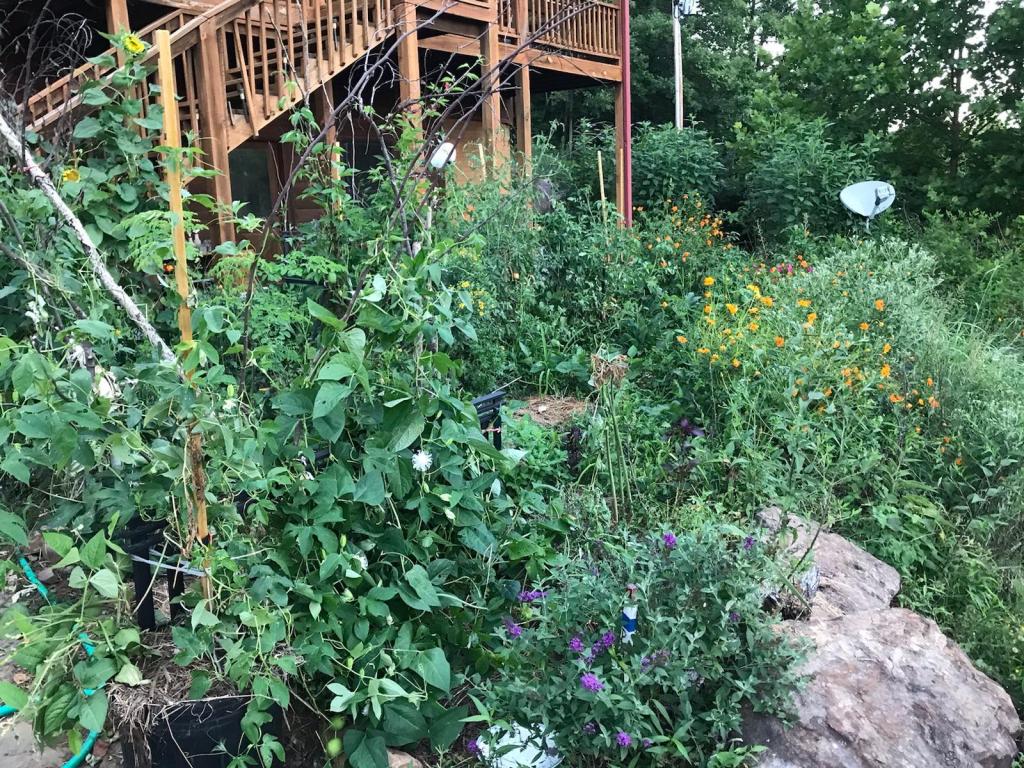
Working With Rocky, Hard Soil
Permaculture’s answer to tough ground is to build soil up rather than fight what lies below. These methods work well in the Ozarks:
- Sheet mulching (lasagna gardening). Lay cardboard directly over grass or weeds, soak it, and pile compost, fallen leaves, and wood chips on top. By spring the layers break down into soft, planting-ready soil with no digging. Fall is the perfect time to start, since leaves are free and everywhere.
- Hugelkultur. Bury old logs and branches under soil and mulch to make a mound. As the wood decays it holds water like a sponge and feeds the soil for years.
- Let roots do the digging. Comfrey, cereal rye, and daikon radish all break up compacted ground on their own.
- Use a broadfork instead of a tiller. A broadfork loosens soil without destroying its structure or the fungi and earthworms that keep it healthy.
- Put the rocks to work. Ozark stone makes beautiful bed borders, dry-stack walls, herb spirals, and pathways. Rocks also soak up daytime heat and release it at night, which helps tender plants.
- Keep the soil covered. Bare soil crusts and washes away on our slopes. Mulch, cover crops, or living groundcovers keep it in place and alive.
- Find free wood chips. Services like ChipDrop, or local tree crews, will often deliver chips for free. They are excellent for paths and for mulching around trees and shrubs. Ask Patricia about the free wood chips available in the area.
Designing Your Permaculture Paradise
Permaculture is a way of designing land so that it works more like a natural ecosystem: it feeds you, feeds wildlife, holds water, and grows richer each year with less work over time. A few principles help you get started.
Observe Before You Plant
If you can, watch your land through the seasons before making big decisions. Notice where water flows and pools after a storm, where the sun falls in winter and summer, where frost settles, and where the wind comes from. The land will tell you a great deal about where things want to grow.
Plan in Zones
Place things according to how often you visit them. Herbs and salad greens go closest to the kitchen door. The vegetable garden comes next, then fruit trees and berry patches, with wilder areas and woodland farther out. This saves steps and makes daily care easy.
Work With Water First
On Ozark slopes, slowing water down makes an enormous difference. Catch rain from your roof in barrels or tanks. Build rain gardens where runoff collects. Dig shallow swales (ditches with a berm on the downhill side) along the contour of the land so rain soaks in instead of rushing off and carrying your topsoil with it.
Plant in Layers, Like a Forest
A food forest stacks plants in layers, the way a natural woodland does. These do well in Northwest Arkansas, and many are Ozark natives:
- Tall trees: pawpaw, American persimmon, pecan
- Small trees: serviceberry, American plum, fig (in a sheltered spot)
- Shrubs: elderberry, blueberry (our naturally acidic soil suits them), blackberry, spicebush
- Herbs and flowers: comfrey, yarrow, bee balm, purple coneflower, mountain mint
- Groundcovers: white clover, strawberries, creeping thyme
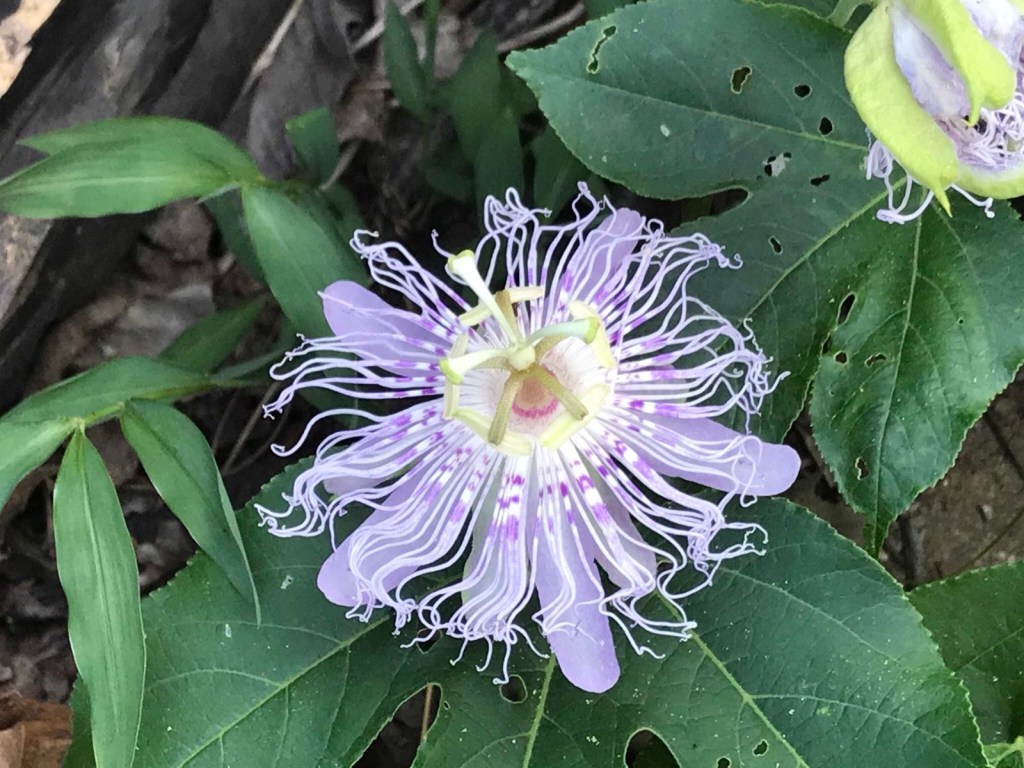
- Vines: grapes, and maypop (our native passionflower), which bears edible fruit and hosts butterflies
- Roots: garlic, perennial onions, Jerusalem artichoke
Start Small
One well-built bed, or a small group of fruit trees that thrives, is worth more than a large area that gets away from you. Add a little each season. In a few years, the patches connect, the soil deepens, the birds and bees move in, and you look around one spring morning to find you are standing in the paradise you dreamed of.
Rocky Soil and a Permaculture Paradise: A Guide for Ozark Gardeners
Find more stories about Ozark land, gardens, and homestead living at livingspringsloghouse.com. This article was written with the help of Claude, an AI assistant.


[…] to plant spring bulbs, comfrey, garlic and other fall crops, broadcasting seed, and cover crops. A second guide covers working with rocky soil and designing a permaculture […]
LikeLike
[…] Nine years of countless hours and love invested in building up the soil around the house, supporting drought-resistant native and flowering plants that return year after year. Herbs including peppermint, apple mint, basil, sage, and oregano thrive here, filling the gardens with color through spring, summer, and fall. Read more: Planting a Paradise and Rocky Soil and a Permaculture Paradise […]
LikeLike
[…] Rocky Soil and a Permaculture Paradise: A Guide for Ozark Gardeners […]
LikeLike
[…] Rocky Soil and a Permaculture Paradise: A Guide for Ozark Gardeners […]
LikeLike
[…] Rocky Soil and a Permaculture Paradise: A Guide for Ozark Gardeners […]
LikeLike
[…] Rocky Soil and a Permaculture Paradise: A Guide for Ozark Gardeners […]
LikeLike